
Cheapest SR-22 Insurance for Delivery Drivers — Tennessee
Free to compare
Why Your Delivery Work Complicates SR-22 Filing
You drive for DoorDash, Uber Eats, Amazon Flex, Instacart, or another delivery service. You just received a license suspension requiring SR-22 filing. You call a carrier for a quote and they ask if you use your vehicle for commercial purposes — you say yes, and the quote jumps $80/month or they refuse coverage entirely. Standard personal auto policies exclude commercial delivery activity, even gig-economy part-time work. The SR-22 filing itself is a $25–$50 administrative add-on; the real cost spike comes from needing coverage that won't deny a claim if you're carrying a burrito or a package when an accident happens.
Tennessee requires continuous SR-22 filing for most DUI, reckless driving, and uninsured motorist suspensions. The SR-22 certificate proves you carry liability coverage meeting state minimums: $25,000 bodily injury per person, $50,000 per accident, $15,000 property damage. If your policy lapses for any reason, the carrier notifies Tennessee Department of Safety and Homeland Security electronically within 10 days, triggering immediate re-suspension. Delivery drivers face higher lapse risk because carriers discovering undisclosed commercial use mid-term can cancel the policy for material misrepresentation — you lose coverage, the SR-22 filing ends, and your suspension clock restarts.
“Standard personal policies exclude delivery work entirely — disclosing it mid-term triggers cancellation and SR-22 lapse.”

See What an SR-22 Really Costs in Tennessee
Get My Tennessee SR-22 Auto Insurance Quote$140–$220/mo
TN Delivery Driver SR-22 Premium
Tennessee delivery drivers needing SR-22 typically pay $140–$220/month for hybrid personal-commercial coverage from non-standard carriers writing dual-use policies. Standard-tier carriers excluding commercial activity quote $90–$150/month but will deny claims occurring during delivery shifts.
Non-standard carrier underwriting guidelines for Tennessee gig-economy drivers, 2025.
What Standard Personal Policies Actually Exclude
Read your policy's exclusions section. Most personal auto policies contain a commercial-use exclusion stating coverage does not apply while the vehicle is used for delivery of goods for a fee, transportation of passengers for compensation, or any business use beyond incidental errands. Gig-economy delivery falls squarely into this exclusion. Carriers underwrite personal policies assuming the vehicle sits parked most of the day and drives predictable commute routes. Delivery work increases exposure — more miles, more intersections, more loading-zone stops, higher accident probability. The premium difference reflects that actuarial reality.
Some drivers misunderstand the exclusion. They assume it only applies if the accident happens while actively on a delivery — car struck while waiting at the restaurant, package in trunk, delivery app open. That interpretation is wrong. The exclusion applies to the entire period the vehicle is enrolled for commercial delivery use, regardless of whether you're mid-delivery at the moment of the accident. If the carrier discovers you're a registered DoorDash driver during the claim investigation, they can deny the claim even if the accident occurred on your day off. Material misrepresentation on the application — answering no to the commercial-use question when you actively drive delivery — voids coverage retroactively.
Tennessee SR-22 filers cannot afford claim denials. A denied claim means you were driving without valid coverage, which triggers SR-22 lapse notification to the state. Your suspension period extends or restarts. If the accident involved injury or significant property damage, you face personal liability for damages your voided policy won't cover. For delivery drivers, honest disclosure on the application is not optional — it's the only path to enforceable coverage.
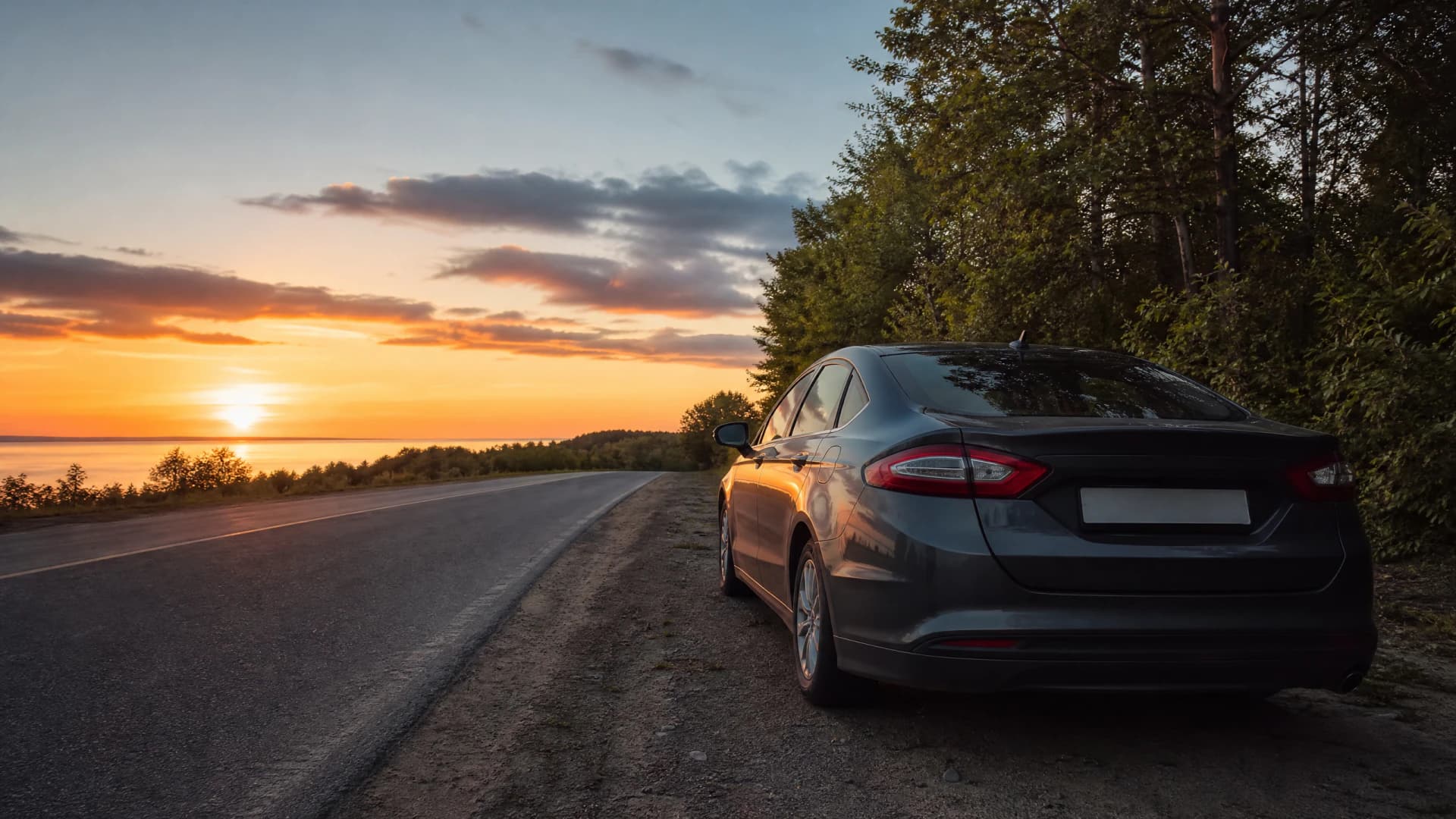
Standard personal auto SR-22 policies exclude delivery work entirely — disclosing gig-economy use mid-term triggers cancellation and immediate SR-22 lapse.



How Dual-Use Policies Price Commercial Risk
Carriers writing delivery driver coverage price three variables: your violation triggering the SR-22 requirement, your annual mileage including delivery shifts, and the specific platforms you drive for. DUI violations carry the highest surcharge. Uninsured motorist suspensions carry moderate surcharge. Points-based suspensions vary by severity. A Tennessee driver with a first DUI needing SR-22 and disclosing 15,000 annual miles of DoorDash delivery might pay $210/month. The same driver without delivery activity pays $150/month. The $60 monthly difference ($720/year) reflects increased claim probability from commercial exposure.
Mileage matters more than most applicants expect. Delivery drivers logging 25,000+ annual miles pay 20–30% higher premiums than drivers at 12,000 miles, even with identical violation history. Carriers ask for estimated delivery hours per week on the application. Answering honestly — 15 hours, 25 hours, full-time 40+ hours — determines risk tier. Understating mileage to lower the premium creates the same misrepresentation problem as hiding delivery activity entirely. When a claim occurs and the carrier pulls your delivery platform records showing 40 hours/week when you reported 10, they deny the claim and cancel the policy.
Platform type affects pricing less than mileage, but some distinctions exist. Food delivery (DoorDash, Uber Eats, Grubhub) prices slightly lower than package delivery (Amazon Flex) because food orders involve lighter cargo and shorter stop durations. Passenger rideshare (Uber, Lyft) requires separate Transportation Network Company endorsement or commercial policy; it is not bundled with delivery coverage. If you drive both delivery and rideshare, disclose both — each adds incremental premium but hiding either voids the policy.
3 years
Tennessee SR-22 Filing Period
Tennessee requires SR-22 filing for 3 years following most DUI and uninsured motorist suspensions, measured from the date of conviction or suspension order. The filing period does not shorten if you maintain clean driving during that window — the clock runs for the full 3 years regardless.
Tennessee Code Annotated § 55-12-139.
Non-Owner SR-22 for Drivers Without a Vehicle
Some delivery drivers use rented vehicles, borrow a car, or drive a vehicle owned by a family member. If you don't own the vehicle you're driving, a non-owner SR-22 policy may be cheaper than being added to someone else's policy. Non-owner policies provide liability coverage when you drive a vehicle you don't own, and carriers can attach SR-22 filing to the policy. Tennessee accepts non-owner SR-22 for reinstatement as long as the policy meets state liability minimums.
Non-owner policies do not cover physical damage to the vehicle you're driving — collision and comprehensive coverage require an owned vehicle or must come from the vehicle owner's policy. For delivery work, this creates a gap. If you're driving a borrowed car for DoorDash and cause an accident, your non-owner policy covers the other driver's injuries and property damage (liability), but it does not cover damage to the car you were driving. The vehicle owner's policy would need to cover that, and their carrier will ask why the vehicle was being used commercially. Non-owner SR-22 works for Tennessee reinstatement compliance, but it's not a complete solution for delivery drivers unless you're renting vehicles that carry their own physical damage coverage.
Compare Tennessee SR-22 Carriers for Delivery Drivers
Request quotes from at least three non-standard carriers writing dual-use policies in Tennessee: Progressive Commercial, The General, and Bristol West. Disclose your SR-22 requirement, your delivery platforms, and your estimated weekly hours on every application. Quotes will vary by $40–$80/month depending on how each carrier weights your specific violation and mileage profile. Progressive often quotes lowest for part-time delivery drivers under 20 hours/week. The General and Bristol West compete more aggressively for full-time delivery drivers.
When comparing quotes, confirm the policy does not contain a commercial-use exclusion and that SR-22 filing is included in the quoted premium (some carriers charge the SR-22 fee separately as a one-time $25–$50 add-on at policy inception). Ask how the carrier handles mid-term delivery hour increases — if you're quoting 15 hours/week now but plan to scale to 30 hours in six months, clarify whether that change requires a policy amendment and premium adjustment. Scaling delivery activity without notifying the carrier creates the same misrepresentation risk as hiding it initially. See Tennessee SR-22 insurance requirements and reinstatement rules for state-specific filing details and suspension timelines that apply regardless of your delivery driver status.
Carriers Writing Delivery Driver SR-22 in Tennessee
Progressive Commercial Auto writes hybrid policies for gig-economy drivers in Tennessee and will attach SR-22 filing to the same policy. You disclose delivery platform enrollment on the application; Progressive prices the policy to reflect commercial exposure and issues continuous SR-22 filing to Tennessee Department of Safety. Monthly premiums for suspended drivers needing SR-22 typically run $160–$240 depending on violation history and delivery frequency. Progressive allows part-time delivery (under 20 hours/week) on some personal policies with a commercial endorsement, avoiding the need for a separate commercial policy. Full-time delivery drivers need a dedicated commercial auto policy, which runs higher but remains the only enforceable option.
The General and Bristol West both operate in Tennessee's non-standard market and write SR-22 policies for delivery drivers. Neither requires a separate commercial policy for gig-economy delivery as long as you're driving your own vehicle (not a fleet vehicle provided by the platform). Monthly premiums for SR-22 filers doing delivery work range $140–$210. Both carriers file SR-22 electronically and maintain it for the full required period as long as you pay premiums on time. Dairyland writes non-owner SR-22 policies for Tennessee drivers who don't own a vehicle but need SR-22 filing for reinstatement — useful if you rent vehicles through delivery platforms or borrow a car for gig work, though coverage does not extend to delivery activity itself without additional endorsement.
Get Your Free Quote
Get My Tennessee SR-22 Auto Insurance QuoteFrequently Asked Questions
Does DoorDash or Uber Eats count as commercial use that voids personal auto insurance?
Yes. Most personal auto policies exclude coverage while the vehicle is used for delivery of goods for a fee. Gig-economy delivery falls under this exclusion. If you're enrolled as a DoorDash or Uber Eats driver and an accident occurs, the carrier can deny the claim even if the accident happened on your day off, because you failed to disclose commercial use on the application. Tennessee SR-22 filers need hybrid policies from non-standard carriers that explicitly cover delivery activity.
Can I get SR-22 insurance in Tennessee if I drive for Amazon Flex?
Yes. Non-standard carriers like Progressive Commercial, The General, and Bristol West write SR-22 policies for Amazon Flex drivers in Tennessee. You must disclose delivery activity on the application. Monthly premiums for SR-22 filers doing package delivery typically range $140–$220 depending on violation history and weekly delivery hours. Hiding delivery work to get a lower personal-policy quote will result in claim denial and SR-22 lapse if discovered.
How much does SR-22 insurance cost for delivery drivers in Tennessee?
Tennessee delivery drivers needing SR-22 typically pay $140–$220/month for hybrid personal-commercial coverage from non-standard carriers. Standard personal policies excluding commercial use quote $90–$150/month but deny claims occurring during delivery shifts. The premium difference reflects increased mileage and accident exposure from delivery work. DUI violations add $50–$80/month on top of the delivery surcharge.
Will my SR-22 get canceled if I start doing delivery driving after buying the policy?
If you buy a personal SR-22 policy and later start delivery driving without notifying the carrier, the policy can be canceled for material misrepresentation when the carrier discovers the commercial use. Cancellation triggers immediate SR-22 lapse notification to Tennessee Department of Safety, re-suspending your license. You must notify your carrier before starting delivery work and request a policy amendment or switch to a carrier writing dual-use coverage.
Can I use a non-owner SR-22 policy if I rent a car for delivery work?
Tennessee accepts non-owner SR-22 for reinstatement, but non-owner policies typically exclude commercial delivery activity unless you add a specific endorsement. If you're renting vehicles for DoorDash or Amazon Flex, you need a non-owner policy that explicitly covers delivery use — most don't. Verify with the carrier before assuming the policy will cover claims occurring during delivery shifts. Non-owner policies never cover physical damage to the rented vehicle.
Do I need commercial auto insurance or just an endorsement for gig delivery in Tennessee?
Part-time delivery drivers (under 20 hours/week) can often add a commercial-use endorsement to a personal auto policy. Full-time delivery drivers typically need a dedicated commercial auto policy. Non-standard carriers like Progressive Commercial offer hybrid policies that cover both personal and delivery use without requiring a separate commercial policy. The policy type depends on your weekly delivery hours and the carrier's underwriting rules.