
Non-Owner SR-22 for Borrowed Cars — Tennessee
Free to compare
Non-Owner SR-22 Doesn't Replace the Owner's Insurance
You've been told you need SR-22 to reinstate your Tennessee license, but you don't own a vehicle. You bought a non-owner SR-22 policy because it's cheaper and meets the state's filing requirement. Now you're borrowing a friend's car for work and you're wondering whether your non-owner SR-22 actually covers you when you're driving someone else's vehicle — or whether you're creating a liability problem for the owner.
Tennessee follows a permissive-use liability structure: when you borrow someone else's car with permission, the vehicle owner's insurance is primary. Your non-owner SR-22 policy functions as secondary excess coverage, applying only after the owner's liability limits are exhausted. The SR-22 certificate itself is a state filing that proves you carry minimum liability — it's not a type of insurance, it's proof of insurance. The policy underneath the SR-22 determines what's actually covered.
“The vehicle owner's policy follows their vehicle regardless of who's driving — your non-owner SR-22 sits behind it as excess coverage.”
See What an SR-22 Really Costs in Tennessee
Get My Tennessee SR-22 Auto Insurance Quote$25,000/$50,000/$25,000
Tennessee SR-22 Liability Minimum
Tennessee requires SR-22 filers to maintain at least $25,000 bodily injury per person, $50,000 per accident, and $25,000 property damage. Both owner and non-owner SR-22 policies must meet these minimums to satisfy state reinstatement requirements.
Tennessee Department of Safety and Homeland Security, TCA § 55-12-139
How Permissive Use Works in Tennessee
Tennessee law extends the vehicle owner's liability coverage to any driver operating the vehicle with permission. When you borrow a car and cause an accident, the owner's insurance policy is the first to respond — your non-owner SR-22 policy sits behind it as excess coverage. This means if you cause $60,000 in bodily injury damages and the owner's policy has $50,000 per-accident limits, the owner's carrier pays the first $50,000 and your non-owner policy pays the remaining $10,000 up to your own policy limits.
The structural confusion arises because most borrowers assume their own insurance — the non-owner SR-22 policy — is primary when they're behind the wheel. It's not. The vehicle owner's policy follows the vehicle, not the driver. Your non-owner SR-22 only activates as excess coverage after the owner's limits are exhausted, or in specific situations where the owner has no coverage or their coverage excludes you as a driver.
This matters most when the vehicle owner's policy has low limits or excludes certain drivers. If the owner carries only Tennessee's minimum $25,000/$50,000/$25,000 and you cause a serious multi-vehicle accident, the owner's carrier pays up to their limits first. Your non-owner SR-22 policy then applies as secondary coverage for damages that exceed those limits, up to your own policy's maximum.

The vehicle owner's insurance is primary when you borrow their car — your non-owner SR-22 applies only as excess coverage after the owner's policy limits are exhausted.


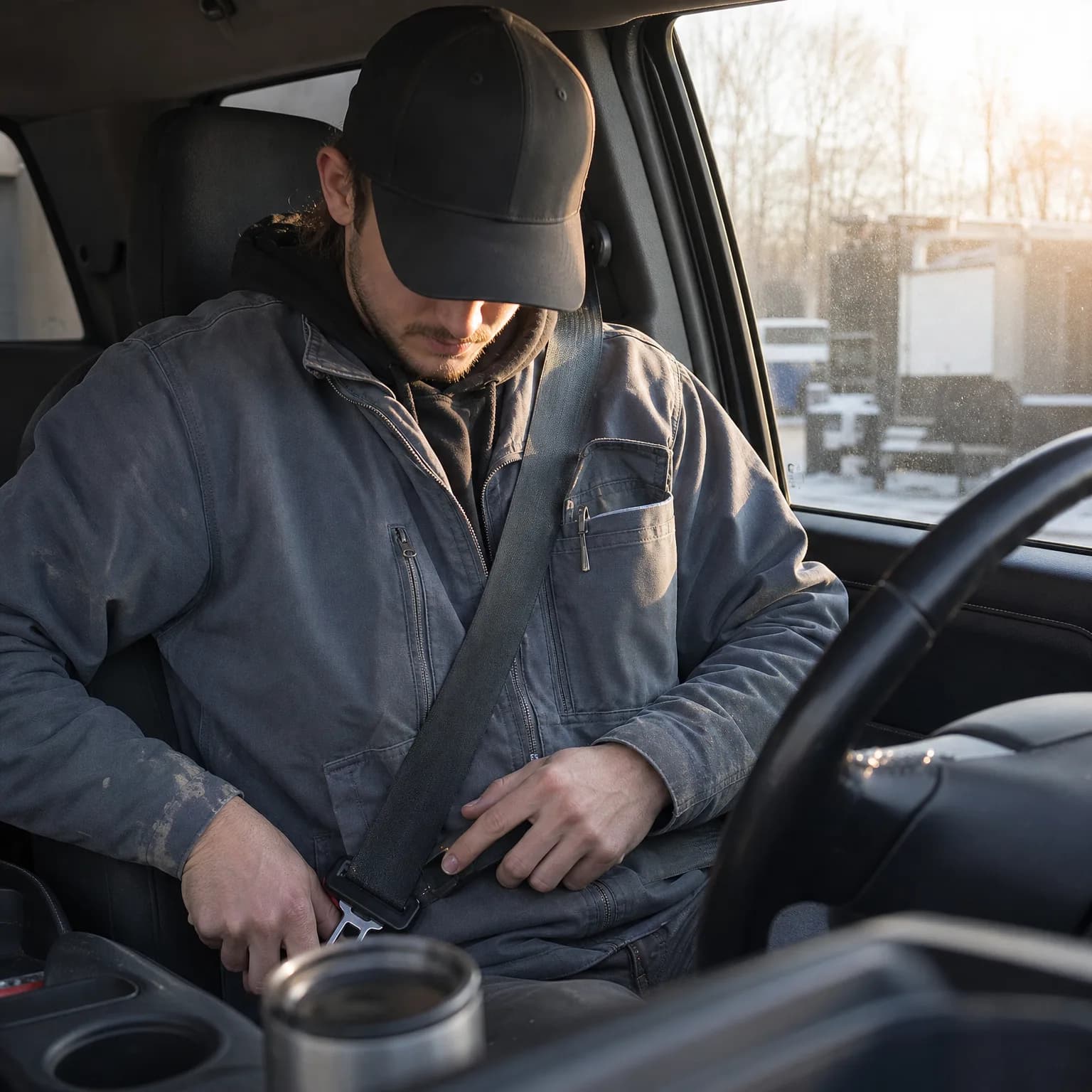
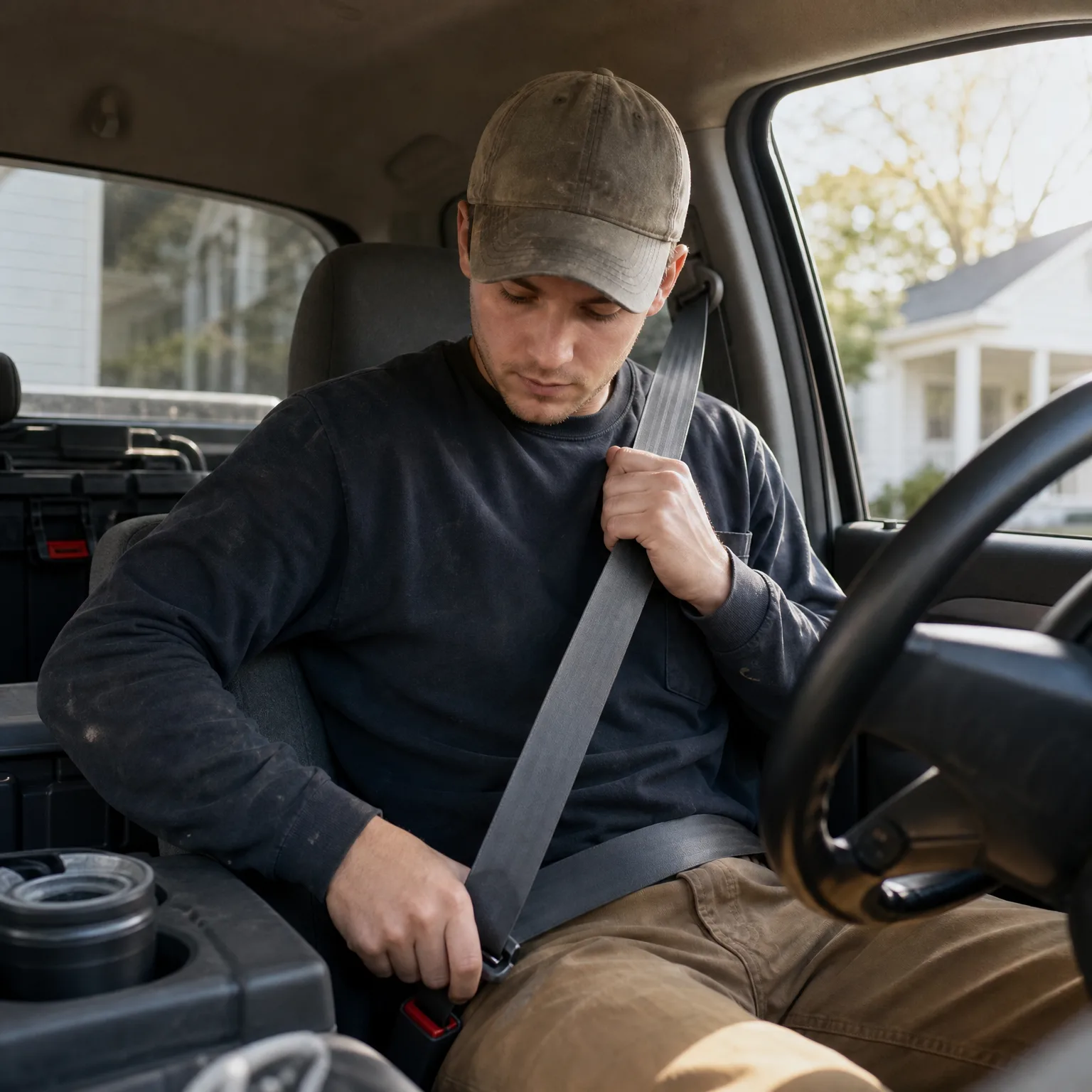
Why Owners Need to Verify Coverage Before Lending
The vehicle owner assumes legal exposure the moment they hand you the keys. If you cause an accident while driving their car, their insurance carrier is the first to pay — and their premiums will rise as a result. Many owners don't realize this until a claim is filed. The owner's policy follows their vehicle regardless of who's driving, so the owner's at-fault claim history absorbs the accident even if you were the one behind the wheel.
Before borrowing a vehicle regularly, ask the owner to verify with their insurer that permissive use is covered and that you're not listed as an excluded driver. Some policies exclude anyone without a valid license, and if you're still suspended in Tennessee and borrowing a car before your reinstatement is complete, the owner's policy may deny coverage entirely. Your non-owner SR-22 would then become primary, but the owner would face liability for allowing an unlicensed driver to operate their vehicle.
For vehicle owners lending to SR-22 filers: confirm with your carrier that occasional permissive use by a driver with a suspended license history doesn't void coverage. Some insurers require the owner to add frequent borrowers as named drivers — if you lend your car to the same person repeatedly and they aren't listed on your policy, your claim could be denied. The non-owner SR-22 holder's policy would apply as excess, but you'd still face premium increases or policy cancellation when the insurer discovers the pattern.
3 years
Tennessee SR-22 Filing Duration (DUI)
Tennessee requires SR-22 filing for 3 years following DUI conviction. The filing period begins when the SR-22 is submitted to the state, not when the conviction occurs. If your non-owner SR-22 policy lapses at any point during the 3-year window, the insurer notifies Tennessee Department of Safety electronically and your license is re-suspended.
TCA § 55-10-409, Tennessee SR-22 reinstatement requirements

Non-Owner SR-22 Doesn't Cover Physical Damage
Non-owner SR-22 policies provide only liability coverage: bodily injury and property damage you cause to others. They do not include collision or comprehensive coverage for damage to the vehicle you're driving. If you borrow a car and total it in a single-vehicle accident, your non-owner SR-22 pays nothing for the owner's vehicle — the owner's collision coverage (if they carry it) is the only protection for their own car.
This creates financial exposure for both parties. The vehicle owner faces out-of-pocket repair costs if they don't carry collision coverage or if their deductible is high. You face potential liability to the owner for the diminished value of their vehicle if your negligence caused the loss. Non-owner SR-22 protects other people's property and injuries — it does not protect the car you're driving or reimburse the owner for their loss.
Get Non-Owner SR-22 Coverage That Meets Tennessee Requirements
If you're required to file SR-22 in Tennessee and you don't own a vehicle, a non-owner SR-22 policy satisfies the state's proof-of-insurance requirement and keeps your reinstatement on track. The policy meets Tennessee's $25,000/$50,000/$25,000 liability minimums and your insurer files the SR-22 certificate electronically with the Department of Safety. Borrowed-car coverage follows the structure above: the owner's insurance is primary, your non-owner SR-22 applies as excess.
Compare non-owner SR-22 rates from Tennessee carriers that write policies for suspended-license filers. Rates vary by violation type, age, and county — expect monthly premiums between $35 and $85 for minimum-limits non-owner SR-22 coverage in Tennessee. Higher liability limits cost more but provide stronger excess coverage when you borrow vehicles regularly.
When Non-Owner SR-22 Becomes Primary
First: the vehicle owner carries no insurance at all. Tennessee's permissive-use doctrine requires the owner to maintain coverage for their vehicle — if they don't, your non-owner SR-22 becomes the only coverage available when you drive. This scenario is rare because Tennessee uses the Tennessee Insurance Verification System (TIVS) to track policy lapses electronically and suspend uninsured vehicle registrations, but it still happens when owners allow registration suspensions to stand or operate under-the-table vehicles.
Second: the vehicle owner's policy specifically excludes you by name as a driver. Some insurers allow policyholders to exclude high-risk household members or frequent borrowers to lower premiums. If you're listed as an excluded driver on the owner's policy and you borrow the car anyway, the owner's insurance will deny the claim and your non-owner SR-22 becomes primary. Third: you're driving a rental car. Most rental agreements make the renter financially responsible for liability and damage; your non-owner SR-22 provides the liability coverage the rental contract requires, and it's primary because the rental company isn't extending their own liability coverage to you as the renter.
Get Your Free Quote
Get My Tennessee SR-22 Auto Insurance QuoteFrequently Asked Questions
Does non-owner SR-22 cover me when I borrow a car in Tennessee?
Yes, but only as secondary excess coverage. When you borrow a car with the owner's permission, the owner's insurance is primary. Your non-owner SR-22 applies only after the owner's liability limits are exhausted or if the owner has no coverage.
Can I borrow a car while my Tennessee license is still suspended?
No. Driving while suspended is illegal in Tennessee regardless of insurance coverage. Non-owner SR-22 keeps your filing active during suspension, but you cannot legally drive until your license is fully reinstated by the Department of Safety.
What happens if the car owner's insurance denies my claim?
Your non-owner SR-22 becomes primary. If the owner's policy excludes you as a driver or the owner has no insurance, your non-owner SR-22 provides the only liability coverage available. You'll also face legal exposure for driving a vehicle whose owner's policy doesn't cover you.
Does non-owner SR-22 cover damage to the car I'm borrowing?
No. Non-owner SR-22 provides only liability coverage for injuries and property damage you cause to others. It does not cover physical damage to the vehicle you're driving — that's the owner's collision coverage responsibility.
How much does non-owner SR-22 cost in Tennessee?
Typically $35–$85 per month for minimum liability limits. Rates vary by your violation type (DUI, points accumulation, uninsured driving), age, and county. Higher liability limits increase the premium but provide stronger excess coverage when borrowing cars.
Will the car owner's insurance rates go up if I cause an accident?
Yes. Because the owner's policy is primary, the claim is filed against their policy first. Their insurer will likely raise their premiums at renewal even though you were the driver, because permissive-use accidents are charged to the policyholder's claims history.
Do I need the car owner's permission for my non-owner SR-22 to apply?
Yes. Non-owner SR-22 coverage depends on permissive use. If you take a vehicle without the owner's permission, neither the owner's insurance nor your non-owner SR-22 will cover you — you're operating as an uninsured driver and face criminal charges for unauthorized use.